Eight chapters of hope, with Scripture and space to reflect. These are original summaries from a Christian perspective. Paintings are nineteenth-century artistic interpretations, not photographs of biblical events.
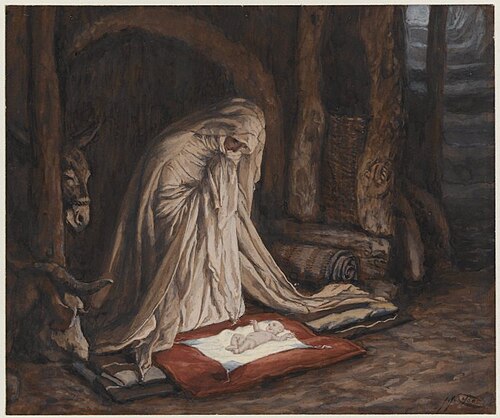
The Birth of Our Lord Jesus Christ · James Tissot · Public domain · Artistic interpretation
CHAPTER 1 OF 8
Hope arrives in humility
Luke tells of Jesus’ birth in Bethlehem, where Mary laid Him in a manger. Shepherds heard the announcement of good news and came to see Him. The child grew up in Nazareth. At twelve, Jesus listened and asked questions in the Jerusalem temple, then returned home with Mary and Joseph. Christians see in this beginning God drawing near to ordinary human life.
What does this humble beginning suggest about the people God welcomes?
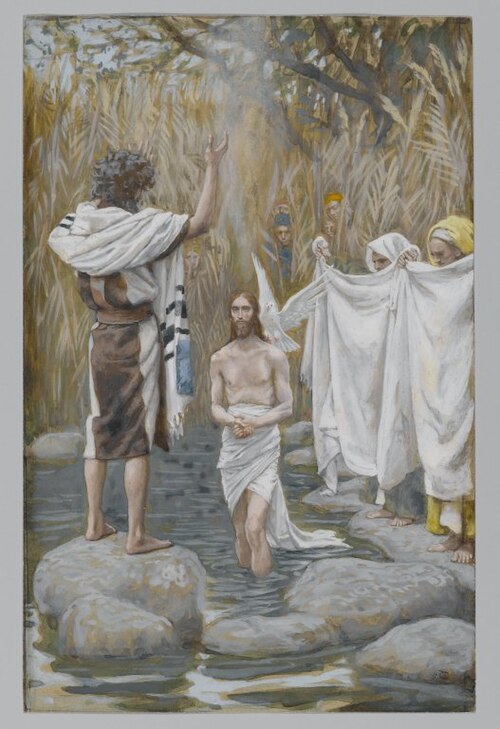
The Baptism of Jesus · James Tissot · Public domain · Artistic interpretation
CHAPTER 2 OF 8
A ministry of good news begins
Matthew describes Jesus coming to John for baptism in the Jordan River. The Spirit descends and a voice from heaven identifies Him as the beloved Son. After His time in the wilderness, Jesus begins proclaiming God’s kingdom and calling people to turn toward God. His ministry invites a change of heart and a new way of life.
What might turning toward God look like in your daily life?
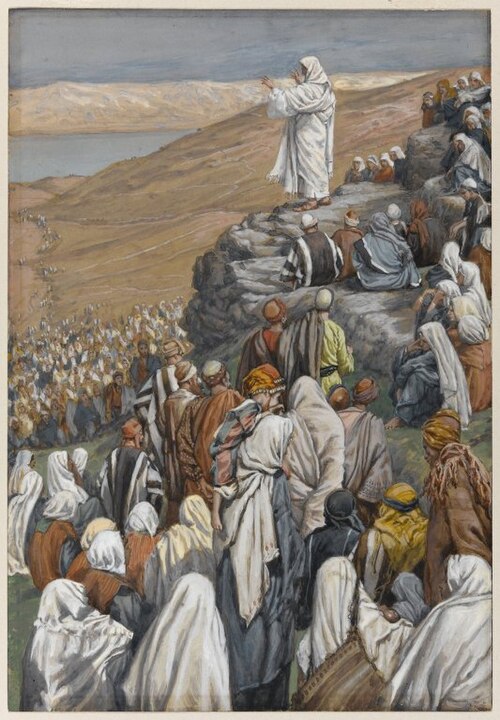
The Sermon of the Beatitudes · James Tissot · Public domain · Artistic interpretation
CHAPTER 3 OF 8
An invitation to follow
Jesus calls fishermen and others to become His disciples: people who learn by following Him. He teaches about God’s kingdom through direct instruction and parables—stories that invite listeners to see differently. The Beatitudes bless the merciful, the peacemakers, and those who hunger for righteousness. The Good Samaritan challenges people to become neighbors through practical compassion.
Who might need you to become a neighbor to them today?
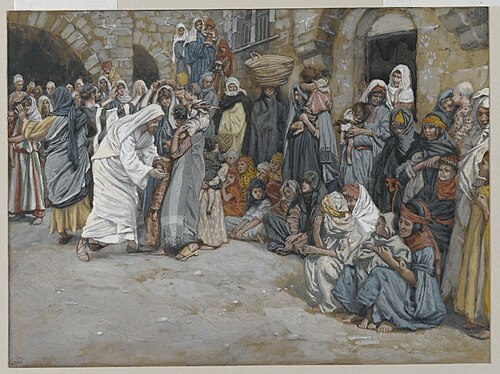
Suffer the Little Children to Come unto Me · James Tissot · Public domain · Artistic interpretation
CHAPTER 4 OF 8
No one is too small to matter
The Gospels portray Jesus healing the sick, feeding hungry crowds, and welcoming people others overlooked. Mark tells of a woman healed after years of illness and of Jairus’s daughter being raised. He also describes Jesus welcoming children when His disciples tried to turn them away—the scene pictured here. Christians understand these acts as signs of God’s kingdom and His restoring love, not a promise that every suffering person will receive an immediate cure.
Whose needs are easy to overlook, and how could you show care?
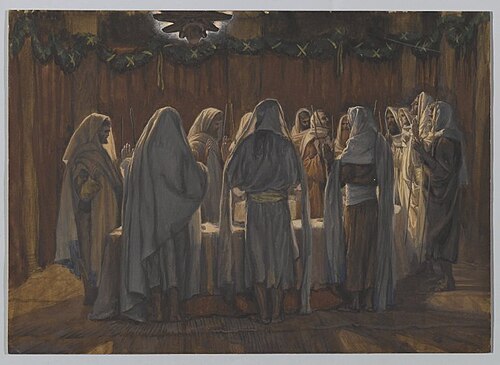
The Last Supper · James Tissot · Public domain · Artistic interpretation
CHAPTER 5 OF 8
A table of remembrance
Before His arrest, Jesus shares a Passover meal with His disciples. He gives them bread and a cup, speaking of His body given for them and the new covenant in His blood. He asks them to remember Him. Christians continue to share this meal, often called Communion, the Eucharist, or the Lord’s Supper. Traditions differ in how they understand Christ’s presence in the meal and how it is celebrated.
How can remembrance deepen gratitude and care for others?
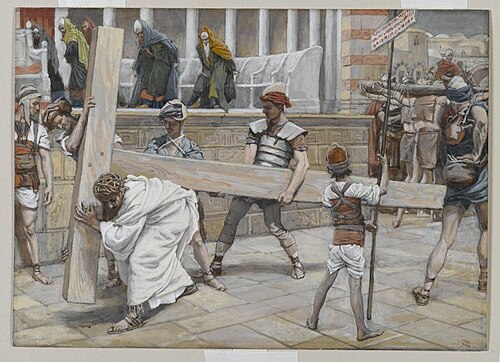
Jesus Bearing the Cross · James Tissot · Public domain · Artistic interpretation
CHAPTER 6 OF 8
Love in the midst of suffering
Jesus is arrested, tried, and sentenced under the Roman governor Pontius Pilate. Luke recounts His crucifixion between two criminals and His death. The illustration shows Him carrying the cross before the crucifixion. Christians believe that through His death Jesus confronts sin and opens the way to reconciliation with God. Christian traditions explain the meaning of this saving work in several complementary ways. Responsibility for His death must never be assigned to Jewish people collectively.
What does costly love ask of us when others are suffering?
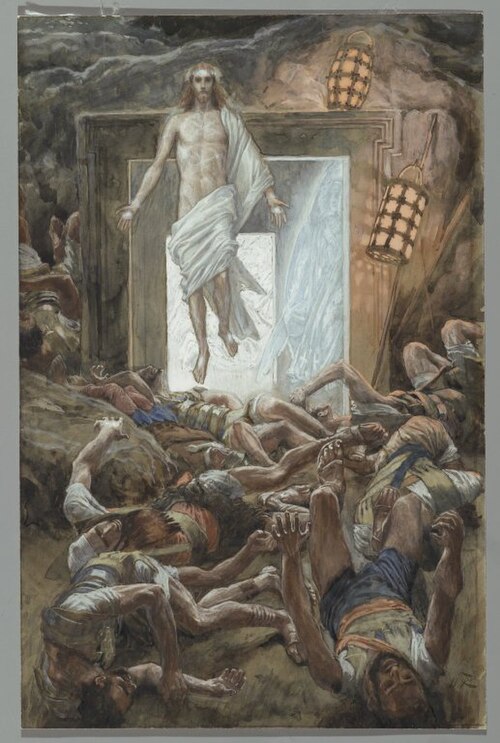
The Resurrection · James Tissot · Public domain · Artistic interpretation
CHAPTER 7 OF 8
The story does not end at the tomb
Luke tells of women visiting Jesus’ tomb and finding it empty. They hear that He has risen and carry the news to the disciples. The Gospels also tell of encounters with the risen Jesus. His resurrection is central to Christian faith: Christians believe God raised Him from death and that death does not have the final word. This painting imagines the event; the Gospel accounts describe the empty tomb and appearances, not an eyewitness view of the moment He rose.
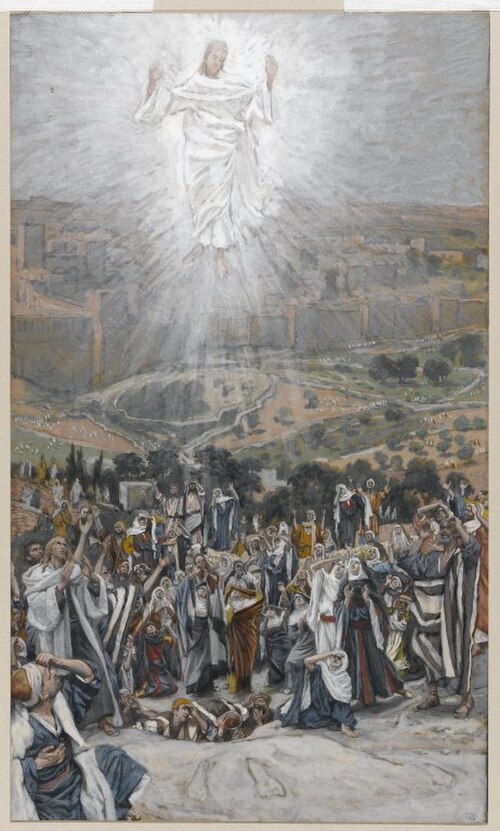
The Ascension · James Tissot · Public domain · Artistic interpretation
CHAPTER 8 OF 8
A hope to share with the world
In Matthew, the risen Jesus meets His disciples in Galilee and commissions them to make disciples of all nations, baptizing and teaching them. Acts describes a later scene near Jerusalem: Jesus promises the Holy Spirit, calls His followers to be His witnesses, and is taken up from their sight. Christians understand this mission as an invitation to share the good news through faithful teaching, loving service, and lives shaped by Jesus.